For the first time, Belgium is hosting a ministerial gathering of the “Nuclear Alliance”. The informal group, launched in February 2023 at France’s initiative, brings together EU member states that want nuclear power to play a larger part in European energy and climate policy. Belgium participated only as an observer until February 2025, when it became a full member. For the Belgian government, chairing a meeting of the alliance marks a visible shift in national energy policy.
Federal Energy Minister Mathieu Bihet is leading the session, held on the sidelines of the EU energy ministers’ Council meeting in Luxembourg, reports 21 News. As he reportedly put it, “Belgium has chosen to put nuclear energy back at the center of its energy policy. At the European level we defend the same ambition: nuclear energy must be fully recognized for its contribution to supply security, decarbonization, and the competitiveness of our industry.”
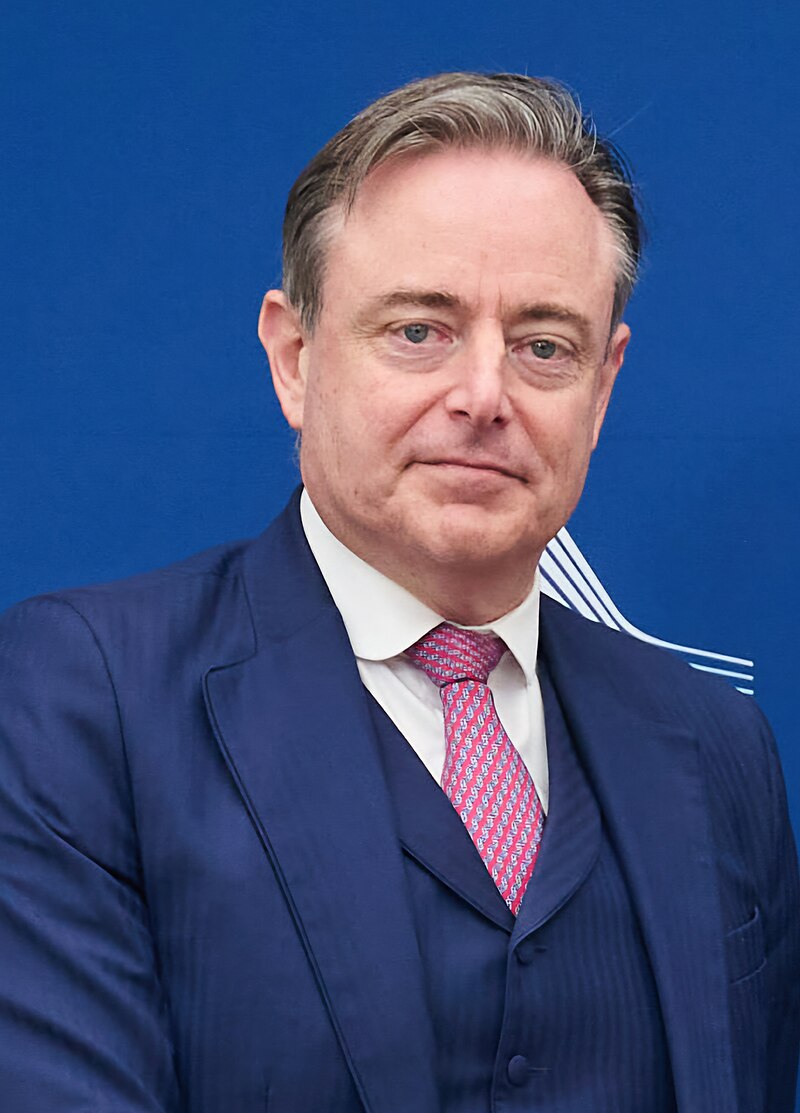
Belga thereby adds that more than twenty years after a vote to phase out nuclear power, Belgian prime minister Bart De Wever’s government has once again made an unequivocal choice in favour of nuclear energy. It is currently negotiating with energy group Engie to buy the nuclear power plants.
The institutional weight of the chairmanship is limited. The Nuclear Alliance is not an official EU institution and does not grant Belgium any special powers in Union decision-making. It is an informal coalition of countries that share similar positions on nuclear energy. The Luxembourg meeting brings together ministers and senior officials from fifteen member states and observers, along with the European Commission.
Hereby, Belgium is now aligning more openly with the countries trying to shape future EU rules in a particular direction. These states advocate “technology neutrality,” under which nuclear and renewable sources would be treated more equally. This represents a break with Belgium’s earlier stance.
Belgium chairs Nuclear Alliance meeting for first time https://t.co/gQ0dZF0X7U#Belga #NuclearEnergy #EnergyPolicy #EU
— Belga News Agency_English (@Belga_English) October 29, 2026
The larger stakes concern the design of European energy policy after 2030. The European Commission must align various elements of its energy framework with the Union’s new climate targets. Alliance members want rules based on technology neutrality that leave member states greater freedom to choose how they cut emissions. In July, fifteen alliance countries urged the EU to consider a European clean-energy target that would include both nuclear and renewables, rather than focusing exclusively on renewables.
How the post-2030 targets are defined could affect investment decisions, support schemes, and the financing conditions available to energy projects. The alliance has also called for improved access to European funding for nuclear projects and greater predictability in state-aid procedures. In a March statement it asked that future EU financing instruments not exclude nuclear projects simply because of the technology used.
Not every EU member state shares this view. Positions on energy remain divided; some governments and stakeholders prefer to keep dedicated renewable-energy targets rather than replace them with a broader low-carbon goal.
Need a crumb of hope about Europe on a Saturday?
Belgium has gone from rapidly closing and destroying its entire nuclear fleet (half of its power before 2023) to quickly relicensing and returning a few of them to the grid.
PM @Bart_DeWever is trying to save as many as he can. https://t.co/dF3hOGJq8d pic.twitter.com/Ko8YgCMkcw
— Mark Nelson (@energybants) October 24, 2026
Against that background, Belgium’s chairmanship takes on additional meaning. Brussels is not only defending its own energy choices but also seeking to influence the EU framework that will govern financing for lifetime extensions of existing reactors, new nuclear plants, and future small modular reactors (SMRs). According to European estimates, roughly €241 billion in investment will be needed by 2050 to maintain and expand the planned nuclear capacity across the Union.
The Luxembourg meeting is also addressing the security of supply of medical radioisotopes, an issue Belgium and several other member states placed on the European agenda in June.