By Adam Dupont
A clause that treats an attack on one as an attack on all means little until someone is willing to enforce it. In the case of the Mecca Defence Pact six weeks in, no one was.
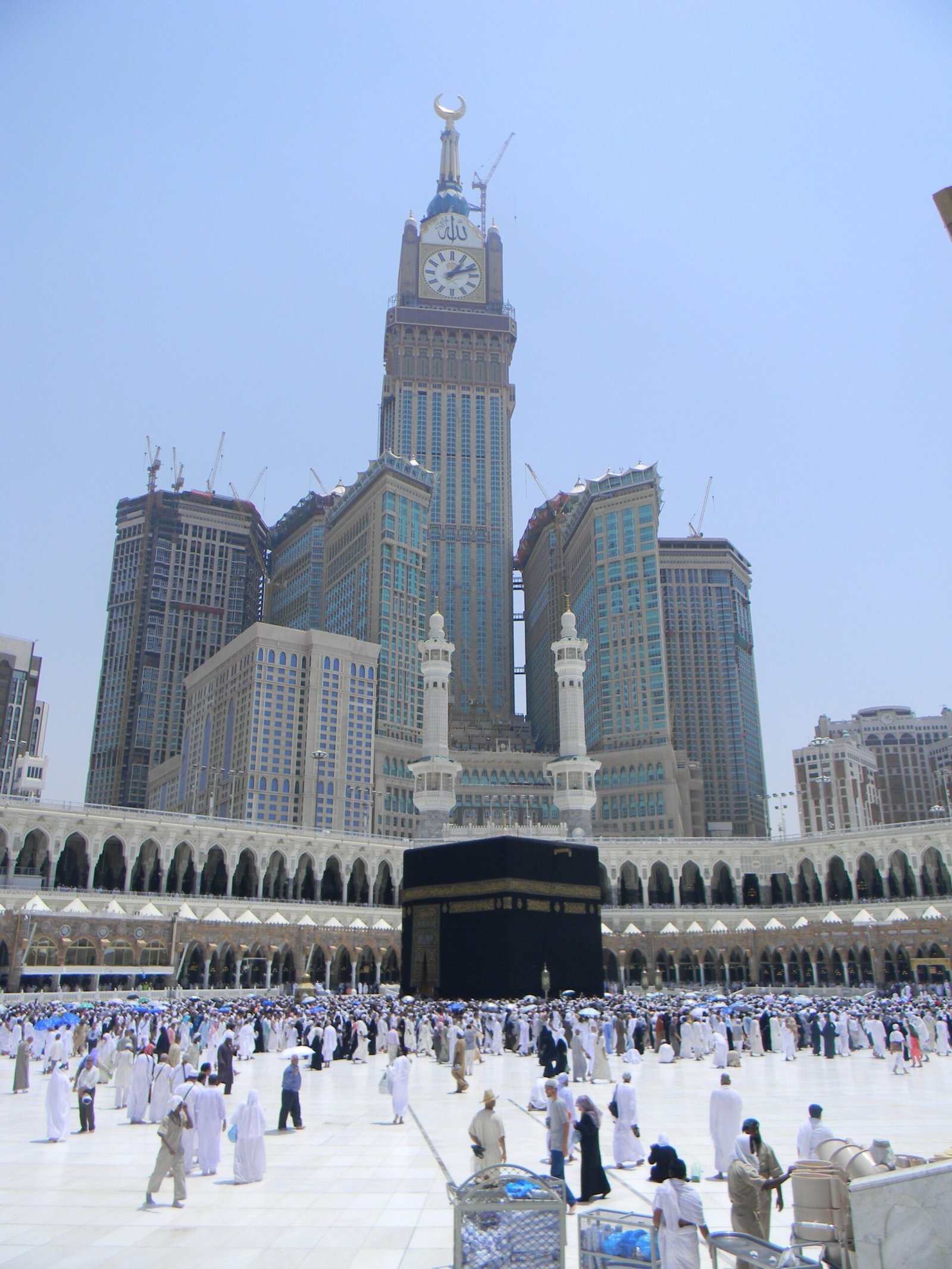
In August, in Mecca, three leaders signed a document aimed at redrawing the security map of the Muslim world. Saudi Crown Prince Mohammed bin Salman, Turkish President Recep Tayyip Erdoğan and Pakistani Prime Minister Shehbaz Sharif put their names to a pact whose central clause reads like a transplanted NATO’s Article 5: namely, that an armed attack on one of the three states is an attack on all. The choice of venue was deliberate. This was not to be read as a routine defence memorandum between capitals, but as a covenant sealed in Islam’s holiest city and addressed to Muslims everywhere.
Yet six weeks later, that city was the one in danger. On the evening of 15 September, Saudi air defences detected a hostile drone approaching the restricted airspace over Mecca and destroyed it south of the city. Riyadh blamed the Houthis; although the group denied targeting Mecca. The interception worked, and no one in the city was harmed. But the perimeter had been tested, and Riyadh itself called the attempt a provocation to Muslims around the world. From its two treaty partners came condemnation, sympathy, yet nothing else.
The explanation offered by Ankara is more damaging than the silence itself. Turkish officials have acknowledged that the pact is not yet binding, and that any response would first require ratification and joint mechanisms, furthermore, its purpose is long-term collective deterrence rather than rapid reaction to individual crises. That is a defensible reading of a young agreement. It is not a defensible basis for deterrence. Adversaries do not calibrate their behaviour against what a treaty may become; they calibrate it against what it means today. Turkish commentary has been blunter still, warning Ankara against being pulled into the Yemeni quagmire and treating confrontation with the Houthis as a strategic error to be avoided.
Saudi Arabia, Turkey and Pakistan signed a defence pact in Mecca on Friday as the allies seek to deepen regional security co-operation after the turmoil triggered by the US-Israeli war against Iran. https://t.co/IJxngVyejH pic.twitter.com/nElMiJ4OoH
— Financial Times (@FT) August 7, 2026
Significantly, Islamabad managed to be ambiguous in two directions at once. Its defence ministry suggested the pact’s provisions could be triggered by Houthi attacks on Saudi Arabia; while its foreign ministry said within a day that no military action was under discussion, and that
Pakistan would act when the time came. In practice, it did something else entirely, carrying a Saudi warning to Tehran and urging restraint on the Houthis. But that is the role of a mediator, not an ally, and it reflects Islamabad’s unwillingness to damage its relationship with Iran. Whatever its diplomatic merits, it tells the Houthis precisely what they needed to know.
The predictable objections deserve a hearing. The drone was intercepted. Unsurprisingly, the Houthis deny responsibility. Furthermore, Riyadh never publicly invoked the treaty. And yes the agreement is two months old, and its institutions are still being built. Each point is true, however, none of them are reassuring. Deterrence is not a function of outcomes but of expectations, and the expectation now circulating in the region is that the Mecca pact imposes no cost on anyone who tests it. A pact that over-promises and under-delivers does not simply fail to prevent escalation; it quietly rewards it. The pattern is already visible in air-raid warnings over Jeddah, Taif and Mecca, and in casualties in the Kingdom’s south, along with the temporary shutdown of damaged oil facilities.
Which raises the question Riyadh may find the most challenging. Saudi Arabia went looking for security guarantees in Ankara and Islamabad, capitals with their own rivals, their own red lines and their own reasons to stay out of Yemen. But its Gulf neighbours have none of those complications: they share the same airspace, the same threat and the same need for integrated defence. In reality, the ambition to lead a wider Muslim security bloc may have been pursued at the expense of a tighter Gulf front. Had that political capital been spent on Gulf cohesion, and had Riyadh tempered its appetite for regional primacy, the response to this escalation may have been closer, faster and more committed; and crucially, the losses of recent weeks smaller.
None of this makes the pact worthless. It makes it unfinished. In truth, ratified obligations, a joint command structure, agreed thresholds for activation and real interoperability would turn a signing ceremony into a real deterrent. Until then, the alliance that took Mecca’s name remains what its critics say it is: ink on paper, unable to shield even the city it was named after.
Until that happens — or until a more credible regional security arrangement emerges — European and Western vessels transiting the Red Sea will have to rely on the protection that only their own navies and armed forces can provide. For Riyadh, this is a further setback: it undercuts the Kingdom’s ambition to be seen, and to act, as a provider of genuine regional security and global connectivity.
*Adam Dupont is a pen name. The author is known to the editors.
Disclaimer: www.BrusselsReport.eu will under no circumstance be held legally responsible or liable for the content of any article appearing on the website, as only the author of an article is legally responsible for that, also in accordance with the terms of use.