By Professor Em. Samuel Furfari. He is a Chemical Engineer, having taught energy geopolitics and energy politics at Brussels ULB University (Université Libre de Bruxelles), between 2003 and 2021, where he also obtained his phD, with a thesis in the field of energy. Between 1982 and 2018, he was a senior official at the Energy Directorate-General of the European Commission, where he has devoted an entire career to energy technology and policy.
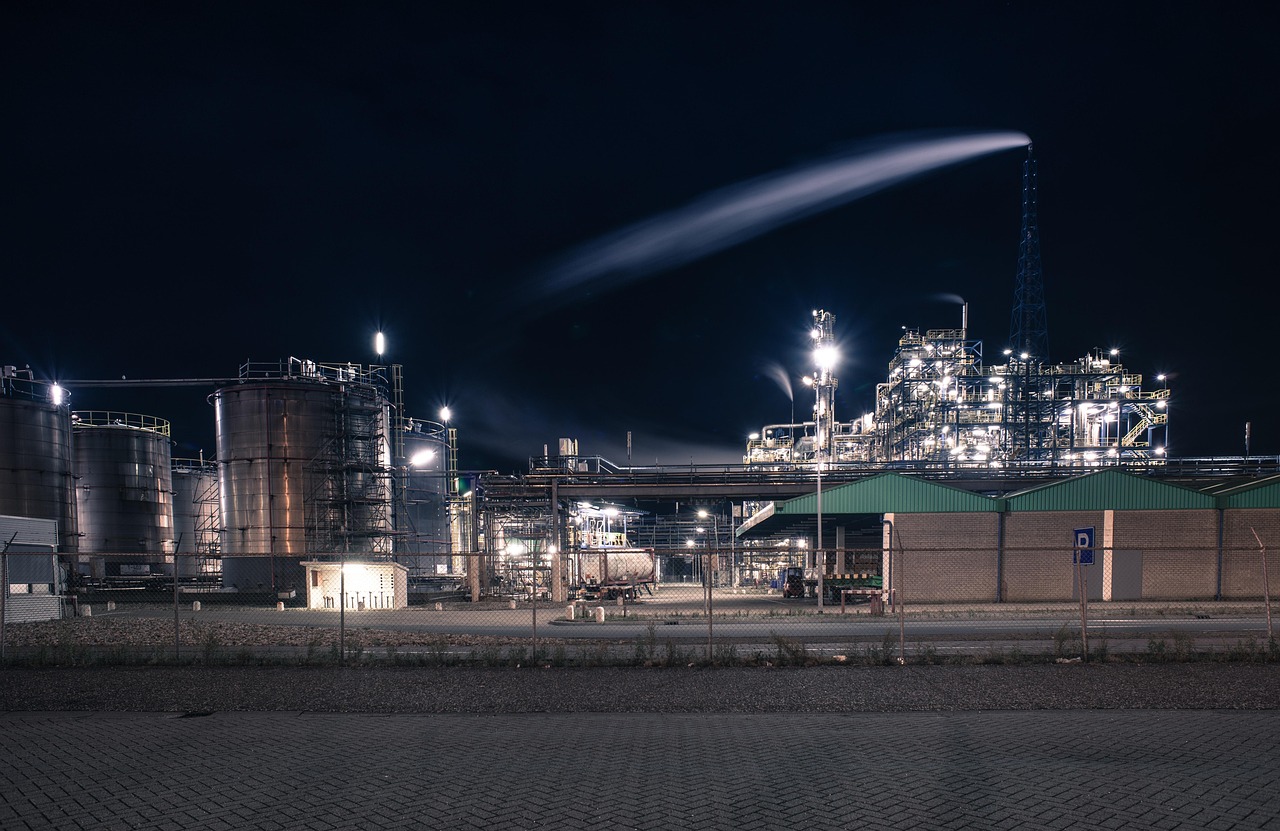
Present in France since 1902, ExxonMobil is one of the major historical players in the national energy and chemical sector. After more than a century of activity, however, the company is about to turn an important page with the announcement of the closure of its refinery and petrochemical plant in Port-Jérôme-sur-Seine, as well as the planned sale of its refinery in Fos-sur-Mer.
The company has nevertheless contributed significantly to France’s economic development, ensuring the supply of energy and the production of essential chemicals for French and European industry, while creating skilled jobs and added value. However, the current decisions mark a major turning point, under pressure from global competition and an increasingly difficult economic environment.
According to the Financial Times, the group plans to sell its polyethylene production sites in Zwijndrecht and Meerhout in Belgium, as well as its ethylene plant in Fife, Scotland. In the United Kingdom, it has already divested itself of the Fawley refinery.
In the Netherlands, ExxonMobil has launched a review of the profitability of its facilities, fuelling union concerns about the country’s industrial future. Similar doubts are being expressed in Italy, Ireland and Germany. ExxonMobil is not an isolated case: other players, such as LyondellBasell and Sabic, have also chosen to relocate their activities, reflecting the increasingly bleak industrial outlook for petrochemicals and refining within the European Union.
The European chemical sector is in the throes of a prolonged slowdown, undermined by persistent overcapacity, lower-than-expected demand, fierce competition from low-cost Chinese producers, but above all by a competitiveness deficit linked to energy prices. As Mario Draghi’s report last year pointed out, with electricity two to three times more expensive and gas three to four times more expensive than in the United States, companies no longer see a future for themselves within the EU.
This crisis illustrates one of the major shortcomings of European energy transition policy: ideological objectives pursued in defiance of industrial and economic realities. The result is deindustrialisation, which undermines the continent’s economic security, increases its energy vulnerability and threatens thousands of highly skilled jobs (the chemical sector is, after pharmaceuticals, the sector that offers the most jobs of this type). The EU’s “energy transition” is therefore accelerating the exodus of major industrial players.
The European Commission and @WBHoekstra refuse to scrap or even postpone the expansion (!) of the EU's climate tax (ETS to ETS2), which will cause natural gas prices to "increase by 16 percent, heating oil by 21 percent, and gasoline and diesel by approximately 10 percent. This… pic.twitter.com/07rJri2Eyq
— Pieter Cleppe (@pietercleppe) October 21, 2025
Zero carbon and zero industry
Reform is needed, based on competitiveness and industrial security, otherwise “zero carbon” risks turning into “zero industry” and therefore zero economy. For shareholders, however, the situation is not alarming: improved profitability is encouraging them to flee an overly regulated Europe. The image is familiar: like moss thriving in the shade of an oak tree, a multitude of SMEs depended on the chemical giants. But if the latter leave, the former will not be able to relocate and will close down, leading to social carnage with dramatic consequences for employment.
To stem the industrial crisis in the chemical sector, the European Commission attempted to take action with the “Antwerp Declaration”, presented on 20 February 2024 at a summit bringing together more than 70 CEOs of chemical industry groups in Antwerp, in the presence of the Commission President. Despite the commitment shown and the massive support of the industrial sector, this initiative did not lead to any concrete changes: the Commission limited itself to consultations and promises, without taking any operational measures that lived up to expectations.
An eleventh-hour intervention is critical for the European chemical industry. Oxford Economics confirms that overseas rivals are pulling ahead – fast.
Chemicals are the building blocks of Europe’s economy; vital for healthcare, defence, agriculture, construction, and… pic.twitter.com/vs0M2tr8dm
— INEOS (@INEOS) October 15, 2025
This lack of impact caused great disappointment among the industrialists concerned, who clearly regretted the lack of concrete action on the part of Brussels, highlighting the risk of capital and jobs migrating to other continents in the absence of a genuine European industrial policy. Jim Ratcliffe, the boss of the giant INEOS, expressed his bitterness, believing that the massive investments made following the declaration had not been followed by political decisions likely to strengthen European competitiveness in the long term. The deterioration of the European industrial climate and the heavy regulatory burden are calling into question the sustainability of the chemical industry in the EU.
Without abandoning the Green Deal, the EU will continue to lose its know-how, see investment flee and lose highly skilled jobs, while becoming increasingly dependent on foreign powers, thus sacrificing its fundamental interests on the altar of decarbonisation. Meanwhile, global demand for chemicals is booming, making the chemical industry outside the EU flourish.
Disclaimer: www.BrusselsReport.eu will under no circumstance be held legally responsible or liable for the content of any article appearing on the website, as only the author of an article is legally responsible for that, also in accordance with the terms of use.