By Zoltán Kész, a former independent member of the Hungarian Parliament. He is now the Government Affairs Manager of the Consumer Choice Center.
The European Council is negotiating a revised Tobacco Excise Directive proposed by the European Commission that would further raise minimum cigarette taxes and bring vapes, nicotine pouches, and heated tobacco under similar tax treatment.
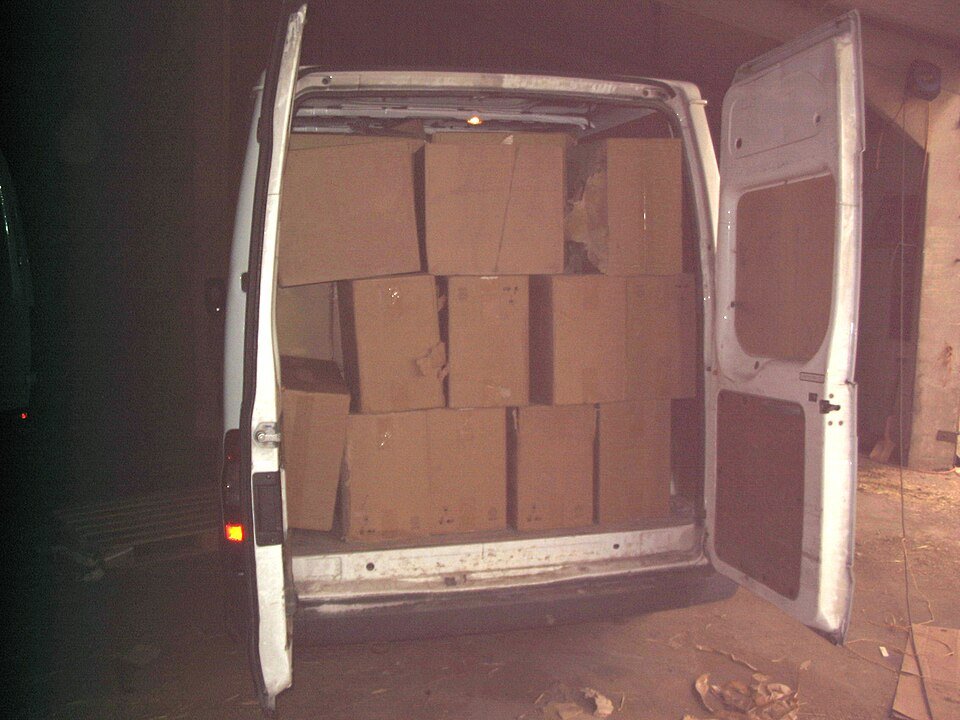
A Financial Times investigation published last week shows what that price gap has done. Reporters found that organized crime groups are now manufacturing counterfeit cigarettes inside the EU itself, rather than smuggling them across its borders. One supply chain traced back to a warehouse in the Belgian town of Fleurus, where nine men were living behind packing machines that produced fake Marlboros, later sold at Brussels’ Anderlecht market for 2.50€ a pack. The number of these factories uncovered across Europe has risen almost 80% since 2018, from 47 to 83.
Europol’s Giuseppe Lopez told the FT that rising tobacco taxes in high-price markets such as France and Belgium made local manufacturing much more profitable.
The mechanism is very simple. When a pack of cigarettes costs 13€, as it now does in France after a decade of steep tax rises, and a counterfeit one costs 2.50€, a larger share of price-sensitive smokers will switch to the black market alternative. That gap guarantees that when someone spends an estimated €1.4 million building a counterfeit cigarette factory, he will find demand sufficient to recoup his investment. A single container of counterfeit packs sold at that price is enough to cover that cost within two weeks. The result is already visible in France: almost one in five cigarettes smoked there last year was counterfeit.
The update to the Tobacco Excise Directive would widen that very same gap, and not only for cigarettes. The proposal aims to raise minimum cigarette taxes further while pulling vapes, nicotine pouches, and heated tobacco products toward similar tax treatment, on the logic that all nicotine products are equally harmful and should be taxed alike.
This would prevent smokers from switching to proven, less harmful alternatives. A vape, a pouch, or a heated-tobacco device only works as an off-ramp from cigarettes if it stays meaningfully cheaper than cigarettes. Tax it towards cigarette prices, and that incentive narrows.
It would also push people who have already made that switch toward the black market. The EU doesn’t need to guess what that looks like: several member states have already banned vape flavors on public health grounds, and the result has been the same each time. Instead of disappearing, demand went underground. The Netherlands banned non-tobacco vape flavors in 2024; legal adult vaping there has since fallen by more than a third, but most of that fall is users shifting to illicit channels rather than quitting, and youth vaping has more than doubled over the same period. A 2026 Fraunhofer Institute study puts the EU’s illicit disposable vape market at €6.6 billion, on course to reach €10.8 billion by 2030, with almost half of all vapes sold in Europe now coming from outside the legal, regulated market.
The update to the Tobacco Excise Directive has also been proposed as part of the EU’s Multiannual Financial Framework, in which tobacco excise would become a new “own resource,” a mechanism that would channel a share of Member States’ tobacco tax revenue directly into the EU budget. But the illicit market that high taxes help create doesn’t pay tax at all, and the EU’s own figures show how much that is already costing it. KPMG puts last year’s lost tax revenue from illicit cigarette sales across the EU at €16.7 billion.
Vapes are following the same path, starting from a smaller base, for now. Germany alone is losing an estimated €119 million a year in tax revenue to illegal disposable vapes, in a country where vape taxation is already among the highest in the EU. Extend the same dynamic to a Tobacco Excise Directive that pushes vapes, pouches, and heated tobacco toward cigarette-level rates across all 27 member states. There is no reason to expect a different result than the one already documented for cigarettes: a wider price gap, a bigger illicit market, and a shrinking base of legal sales left to tax.
That is the trap in treating tax rises as a straightforward way to raise money for health budgets or the EU’s own resources. The revenue does not simply grow. The market shifts toward illicit sources like the warehouse in Fleurus, where consumers and the state lose while criminals win.
Disclaimer: www.BrusselsReport.eu will under no circumstance be held legally responsible or liable for the content of any article appearing on the website, as only the author of an article is legally responsible for that, also in accordance with the terms of use.