By Dr. Hans-Dieter Holtzmann, the Head of the Friedrich Naumann Foundation for Freedom’s office in South America, based in Buenos Aires
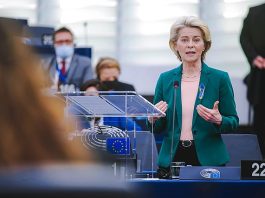
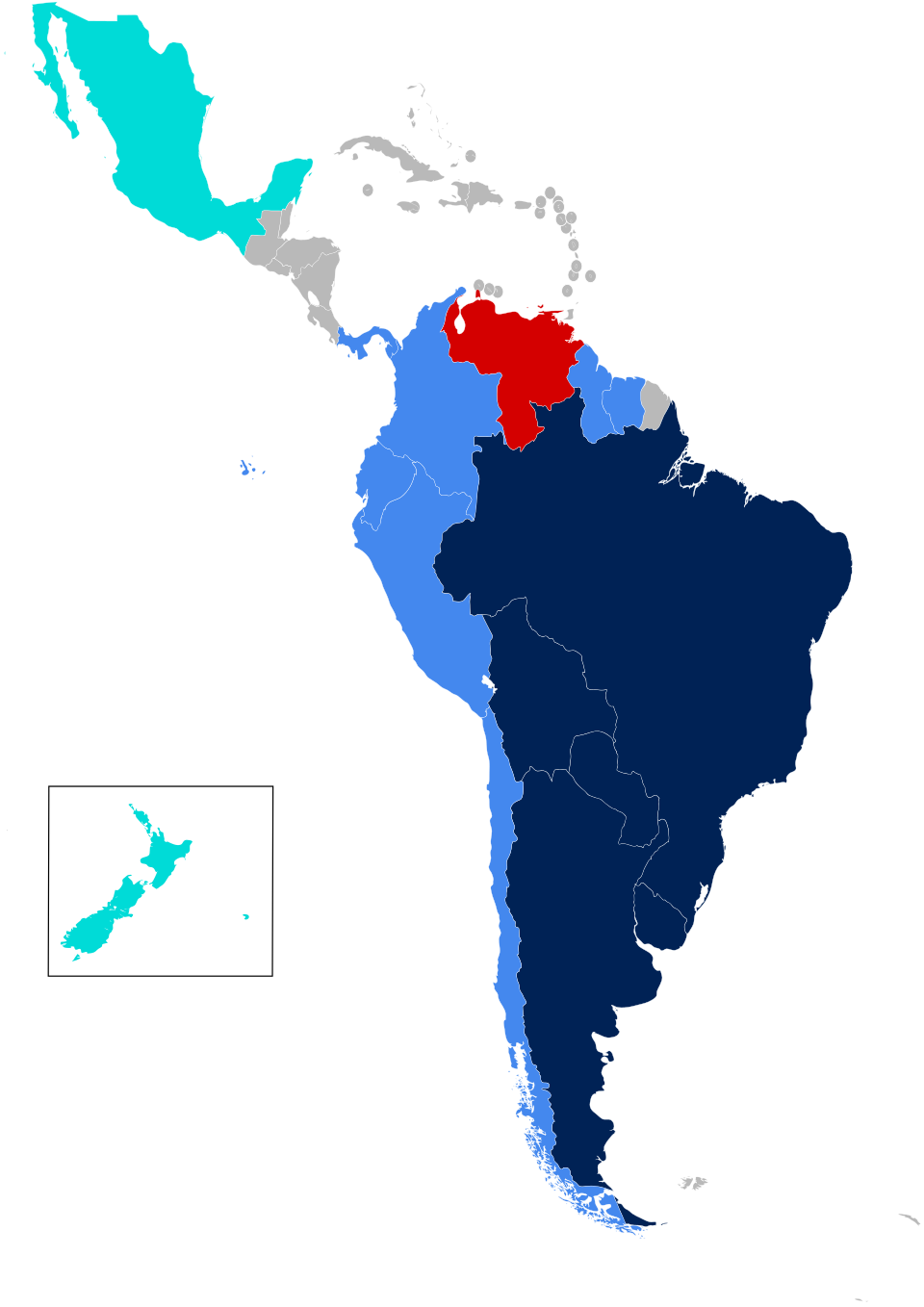
On 27 February, the President of the European Commission, Ursula von der Leyen, announced what many across Europe had been hoping for: the provisional application of the EU–Mercosur Agreement, following its ratification by Uruguay and Argentina the previous day. With Brazil and Paraguay expected to follow shortly, a negotiation spanning more than two decades is finally entering its decisive phase.
This is not a routine technical step in trade policy. It is a strategic signal. In a world increasingly defined by geopolitical rivalry, economic fragmentation, and renewed protectionism, Europe and South America are choosing cooperation over confrontation, and multilateralism over unilateralism.
President von der Leyen’s message was concise and confident: “When they are ready, we are ready.” The European Council had already empowered the Commission to provisionally apply the agreement once the first Mercosur country ratified it. Following intensive discussions with Member States and the European Parliament, the Commission decided to proceed. The political will is aligned with the institutional framework.
The EU will provisionally apply its trade deal with the Mercosur group of South American countries, overriding concern from some lawmakers https://t.co/d5vDHK0P6y
— Bloomberg (@business) February 27, 2026
The agreement creates a market of 720 million people. It eliminates billions in tariffs, improves access to public procurement, enhances regulatory cooperation, and establishes mechanisms for sustained political dialogue. For European small and medium-sized enterprises, this means access to scale that previously remained out of reach. For export-driven economies within the EU, tariff reductions could translate into annual savings of hundreds of millions of euros.
For Germany, the opportunities are substantial. As Europe’s largest industrial economy, Germany stands to benefit from reduced tariffs on machinery, automotive components, chemicals, and pharmaceutical products—sectors in which German companies are global leaders. Improved market access to Mercosur countries can open new growth avenues for the Mittelstand, particularly in advanced manufacturing, renewable energy technologies, infrastructure development, and digital services. At the same time, strengthened trade relations enhance Germany’s access to critical raw materials and agricultural imports, contributing to supply chain diversification and industrial resilience. In a period of economic adjustment and intensifying global competition, the agreement offers German firms both cost relief and strategic expansion opportunities.
The importance of the EU–Mercosur Agreement extends beyond economics. At stake is Europe’s position in a rapidly shifting global order. Trade policy today is inseparable from geopolitics. Diversified partnerships strengthen resilience. Stable frameworks reduce dependency risks. Predictable rules provide security for investment and innovation.
Provisional application is often misunderstood. It is not a circumvention of democratic oversight, but a legally grounded instrument foreseen by the EU Treaties and previously applied in other agreements. Full ratification requires the consent of the European Parliament once the European Court of Justice has finalized the opinion requested by a slim majority of Parliament in January. Democratic scrutiny will take its course. However, provisional application ensures that once partners have demonstrated their commitment, tangible benefits are not delayed indefinitely.
The ratifications by Uruguay and Argentina reflect trust in Europe as a reliable partner. They also demonstrate a shared understanding that open, rules-based trade generates mutual gains. In times of global uncertainty, such signals matter. They counter the narrative that economic openness is fading. Instead, they show that major regions of the world remain committed to cooperation grounded in law.
The agreement also provides a structured platform to address sustainability, environmental protection, and labor standards. Engagement offers leverage. Through institutionalized dialogue and binding commitments, the EU can promote higher standards and ensure that monitoring mechanisms are effective. Isolation would offer no such instruments.
Strategically, Europe secures a first-mover advantage in a region of growing relevance. South America is rich in natural resources, agricultural capacity, and emerging industrial sectors. Strengthened economic ties contribute to supply chain diversification and reduce vulnerabilities. In a global economy shaped by shocks and strategic competition, such diversification is essential.
For Europe’s citizens and businesses, the implications are concrete: lower costs, greater choice, increased export potential, new investment flows, and strengthened competitiveness. For Mercosur partners, access to one of the world’s largest markets provides opportunities for growth and modernization. Properly implemented, the agreement can become a pillar of transatlantic economic stability.
President von der Leyen described the Mercosur agreement as one of the most consequential trade agreements of the first half of this century. That assessment captures its scope. It is not merely a trade accord, but a geopolitical statement. It affirms that Europe seeks strength through partnership, independence through diversification, and influence through engagement.
Now the focus shifts to implementation. Momentum must be maintained—both to begin the provisional application and to secure final ratification, thereby providing full legal certainty. The sooner, the better. The institutional path is clear, the strategic rationale compelling, and the economic case strong.
Europe’s strategic moment has arrived. With the provisional application of the EU–Mercosur Agreement, the EU demonstrates that it remains capable of shaping its own future—confidently, cooperatively, and with a clear sense of direction.
Disclaimer: www.BrusselsReport.eu will under no circumstance be held legally responsible or liable for the content of any article appearing on the website, as only the author of an article is legally responsible for that, also in accordance with the terms of use.